
Mastering the Clock: Guide to Chess Time Controls
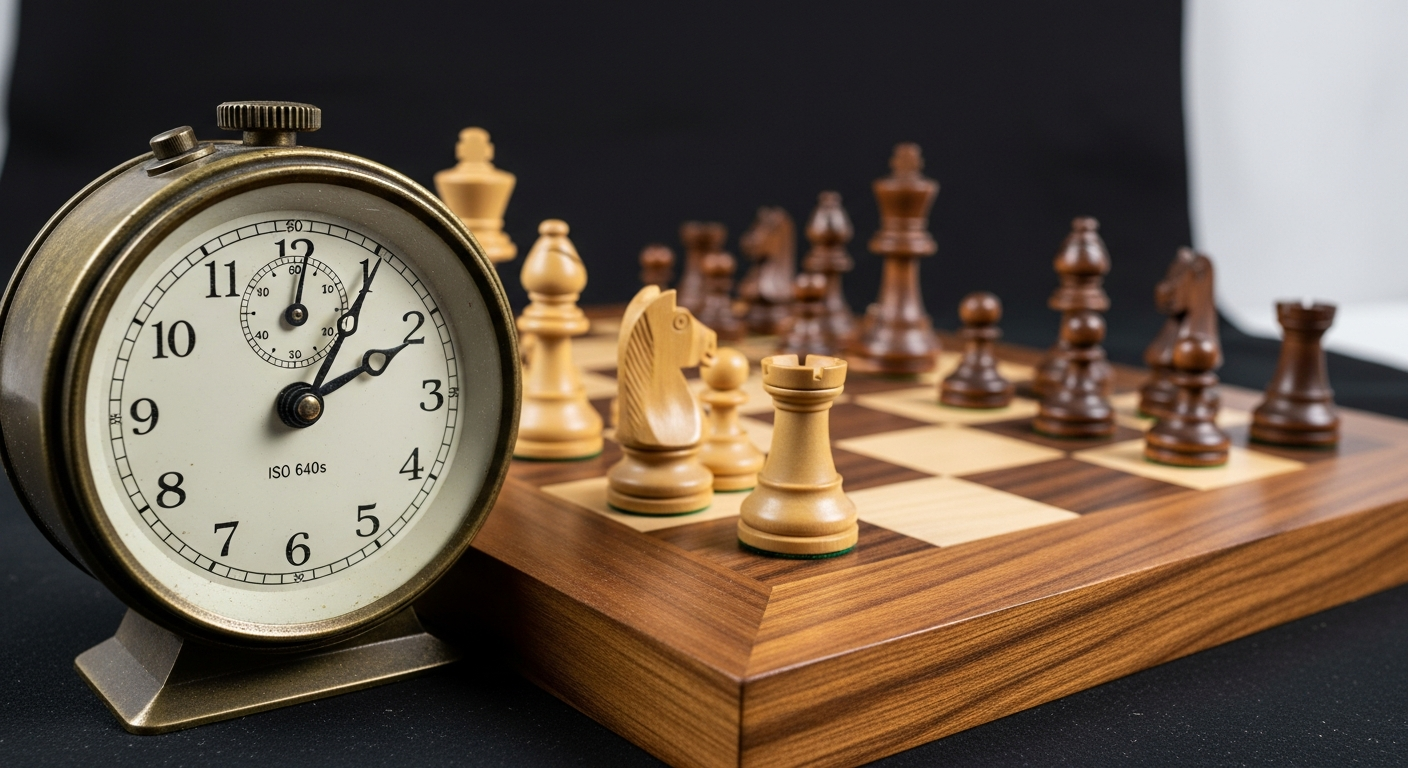
The Clock is a Piece
In modern chess, the clock is as important as your Queen. Managing your time effectively is a crucial skill. Different time controls require different mindsets and strategies.

Bullet (1-3 minutes)
Bullet chess is pure adrenaline. It's about instinct, speed, and flagging your opponent. Strategy takes a backseat to moving quickly. While fun, it's not the best for improving your chess understanding.
Blitz (3-5 minutes)
Blitz is the most popular online format. It balances speed with some time for thought. You can play legitimate openings and tactics, but deep calculation is impossible. It's great for testing your opening repertoire.
Rapid (10-30 minutes)
Rapid chess is the sweet spot for improvement. You have enough time to think, calculate variations, and formulate plans, but the game finishes in under an hour. We recommend 15|10 (15 minutes + 10 seconds increment) for learners.
Classical (60+ minutes)
This is "real" chess. In classical games, you have time to dive deep into the position. This is the format used for World Championships. It requires endurance, patience, and deep concentration.
Increments and Delays
Modern time controls often include an "increment" (time added after every move). This ensures you never strictly run out of time if you can move fast enough. Just 2 seconds of increment can be the difference between a won game and a heartbreaking loss on time.
Frequently Asked Questions
Q:Which time control is best for beginners?
Rapid chess (15|10 or 30|0) is best. It gives you time to think without the game lasting all day.
Q:Does playing bullet help me improve?
Generally, no. Bullet reinforces bad habits and superficial play. Use it for fun, not for serious training.
Ready to Put Your Skills to the Test?
Join thousands of players on Shatrang Online and start playing chess today!
Start Playing Free